Network Founder Introduction: Sudiipta Dowsett
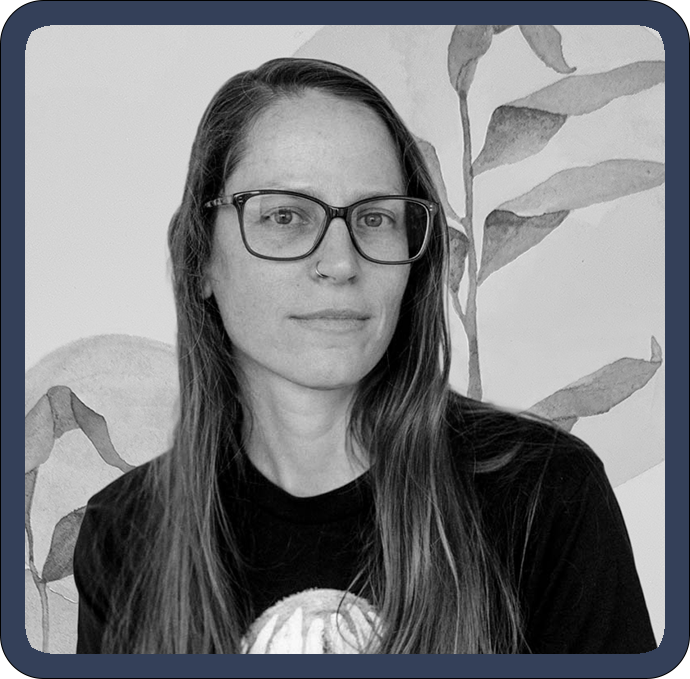
Who are you and what’s your connection to Beats and Bass Cultures?
One of the first albums I ever bought was Nina Cherry when I was 12 years old. I knew every word from the whole album. At the time I only had a vague idea about broader Hip Hop culture in bits and pieces – my neighbour was heavily into graffiti and I remember testing out tag names, mimicking my older brothers. I only began to grasp how the elements of Hip Hop fitted together after seeing films like Beat Street and Style Wars.
While I was far removed culturally, and geographically from the context of Hip Hop’s origins there were certain aspects of rap music that initially appealed and spoke to my adolescent peer group and myself. I grew up on a multiple occupancy ‘community’ in a valley just outside a small one street town called Nimbin, widely (and historically, notoriously) known as the Ganja capital of Australia.
The yearly Mardi Grass was both a protest against prohibition laws and a celebration of everything hemp and cannabinoids could offer. Needless to say, Cypress Hill was a ‘hit’. But anything anti-police (NWA), protest or resistance (Public Enemy) or that (not unproblematically) championed alternative economies also resonated familiar (with a difference).
From a young age I processed life through writing – through journalling, making up little songs in my head, and later through poetry and rap. My first serious verse emerged as a freestyle while walking down Devonshire Street in Surry Hills. I had been listening to a lot of Jean Grae who had really inspired me since the late 1990s.
The rap I wrote then, and the experience of something akin to unscrewing a lid from off the top of my head and this verse pouring out, completely shifted in that moment how I felt about where I came from, where I grew up and my place in the city and the world at large, providing a way to maintain who I was in the face of this very alien, capitalist, individualist, concrete crust of settler-colonial so-called Australia. Moving to the city had been a shock to my bush kid habitus.
These experiences with the embodied effects and affect of rhythm and poetry continue to drive my research interests: what does it mean to engage in Hip Hop practice as a rhythmic mode of vocality? What does it do, and allow for, in terms of self- and collective-narration and place-making?
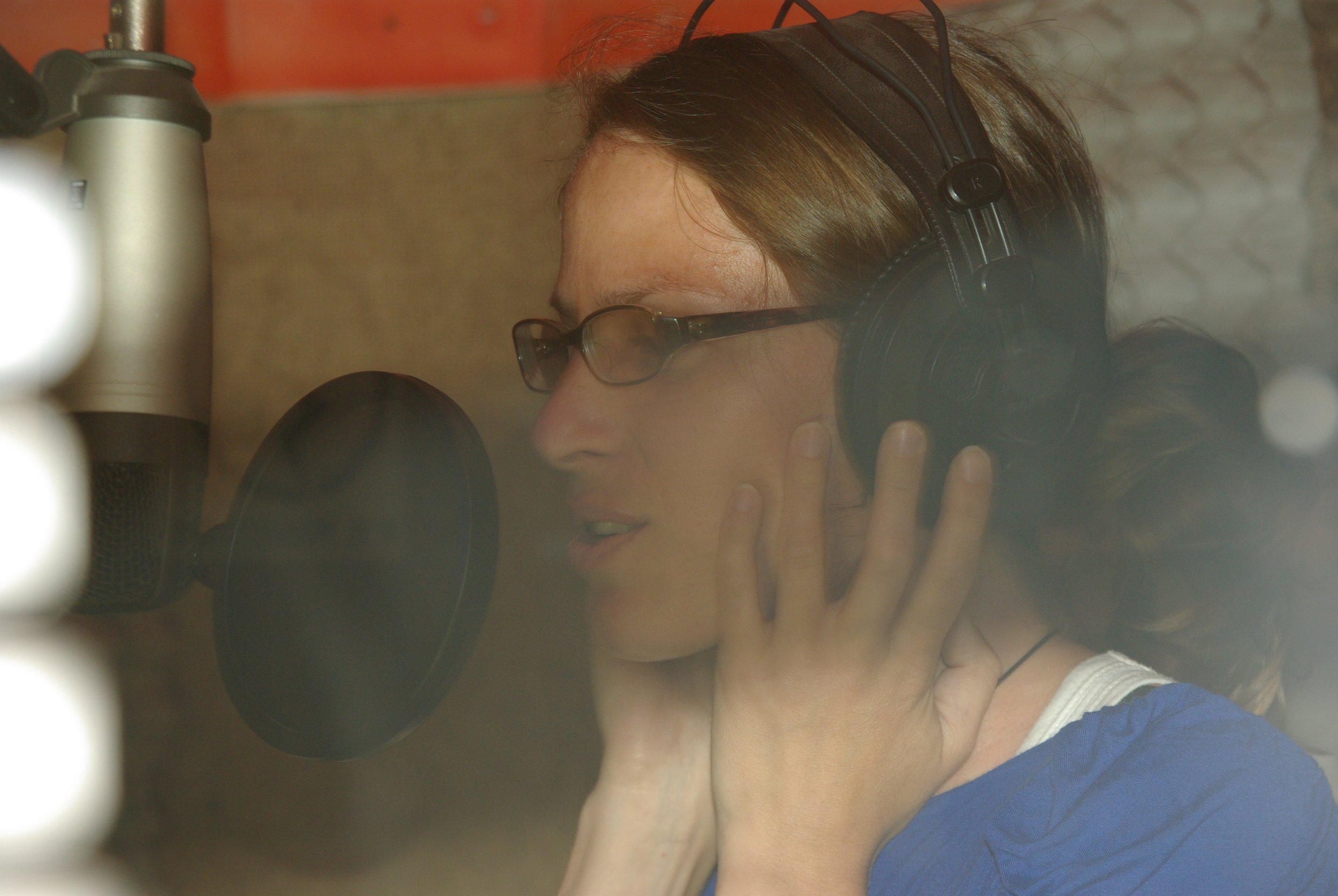
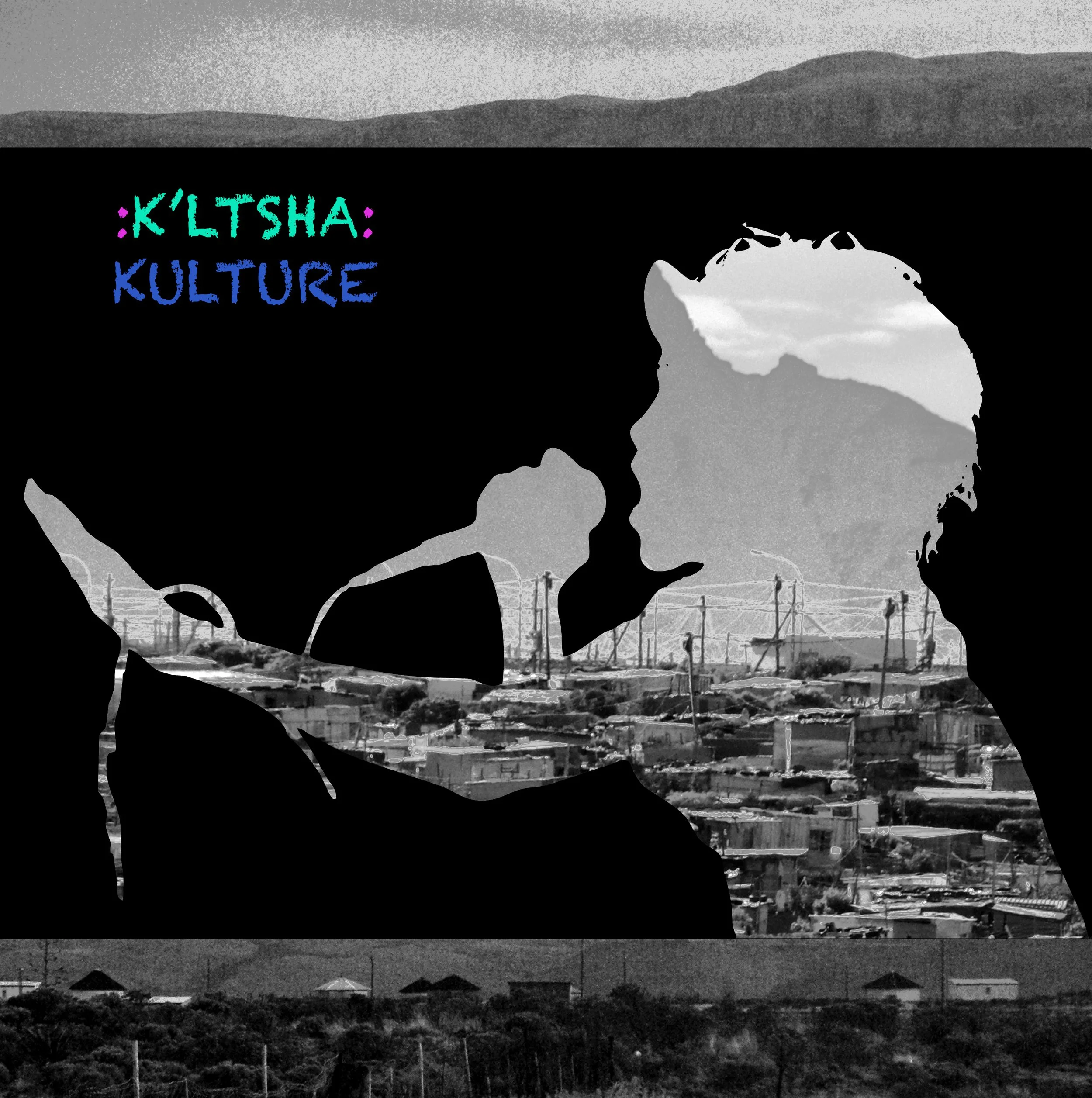
Photo taken by Makhi Mketho aka Kideo, Pure Monate Studio, Kuyasa, Khayelitsha 2012.
Experiencing the underground scene in the inner West and Eastern suburbs (The Lansdowne, Redfern Community Centre, Manning Bar) I was interested in researching the local scene and how race relations might be replicated in Hip Hop, contrary to the multicultural celebration in some of the early literature I had read.
I did fieldwork and conducted interviews for an Honours thesis at the Department of Anthropology at Macquarie University in 2006. There was a strong focus within the department on phenomenology and embodiment and I was very privileged to learn from lecturers including Ian Bedford, Kalpana Ram, Jennifer Biddle, and Greg Downey among others.
I was interested in transgenerational trauma through Chris Cunneen’s work on the long-term impact of policing as a most frequent point of contact between settler Australia and First Nations communities and people, through Judy Atkinson’s leading work in her book Trauma Trails, and earlier films such as the Women of the Sun series my year 7 history teacher screened in class.
My interest in the long term impacts of colonial rupture has been part of coming to terms with my own place within a settler colonial context.
I had read about the Truth and Reconciliation Commission in South Africa and for my PhD I wanted to look at how Hip Hop was being used on the ground to navigate and make sense of “post-apartheid” society. Historically some of my ancestors had passed through Cape Town in the 1800s on their way to New Zealand, though I didn’t find this out until much later.

Manqoba performing at Sound Masters Crew Album Launch 2009, Lookout Hill, Khayelitsha. Photo by the author.
When starting my PhD fieldwork I was influenced by the work of Faye Harrison in decolonising research methods but back then there wasn’t much of a roadmap for putting this into practice, particularly within the constraints of a PhD project with limited funding, capacity and pre-project time for planning and co-design. So I started out taking photos for people as a way of giving something back. I was open to what artists themselves wanted to do and this led to collaborating on events such as organising Park Jams and eventually co-writing songs.
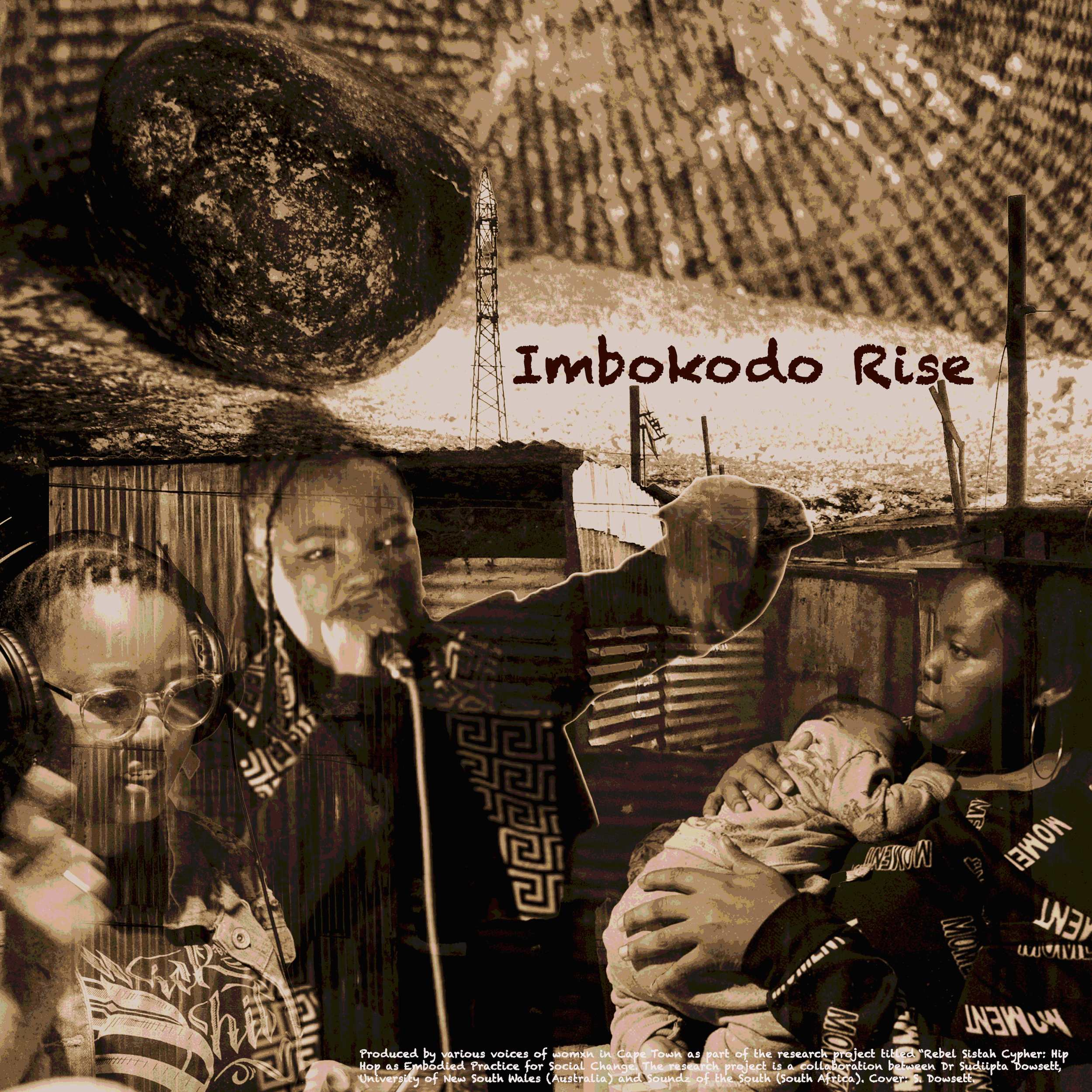
Connections I made during my PhD have enabled my subsequent work to build on these collaborations with co-designed projects such as with Soundz of the South on ‘Rebel Sistah Cypher’: Hip Hop as Embodied Practice for Social Change . A key outcome of that project so far is our music release Imbokodo Rise.
The idea for the Beats + Bass Cultures Network is to create a platform to showcase artists, build connections and collaborations between practitioners, researchers, and practitioner-scholars. I see this as an extension of the work I have been pushing for, dreaming of, and building for a long time now and I am looking forward to this new chapter!
This work is licensed under CC BY-NC-SA 4.0
Attribution: Dowsett, S. (2026). Network Founder Introductions: Sudiipta Dowsett. Beats + Bass Cultures Network. https://beatsnbasscultures.org/new-blog-1/network-founder-introduction-sudiipta-dowsett